| Aspect | What the record shows | Planning use |
|---|---|---|
| Life span | 1906 to 1964 | Anchor her within the interwar generation of medical graduates. |
| Birth and family | Born in Edinburgh; Nigerian father who graduated from Edinburgh in 1900; Scottish mother | Treat her as Scottish-Nigerian, not as a student who arrived from abroad. |
| Edinburgh study | Enrolled to study medicine; graduated in 1929, aged 23 | Use 1929 as the key date for her qualification. |
| Honours | First class honours in all subjects in her fourth year; Dorothy Gilfillan Memorial Prize as best woman graduate, 1929 | Shows her record was exceptional, which sharpens the questions about her later pay and conditions. |
| Career | Junior Medical Officer in the Gold Coast; four years at Achimota from 1931; infant welfare clinics linked to Korle Bu Hospital, Accra | Read these posts as evidence of how empire and gender shaped medical employment. |
| Later life | Retired in 1947 through exhaustion; raised a niece and nephew in Scotland | Frame her retirement as the end of a demanding colonial career. |
The details in the table come from the University of Edinburgh alumni biography of Agnes Yewande Savage.
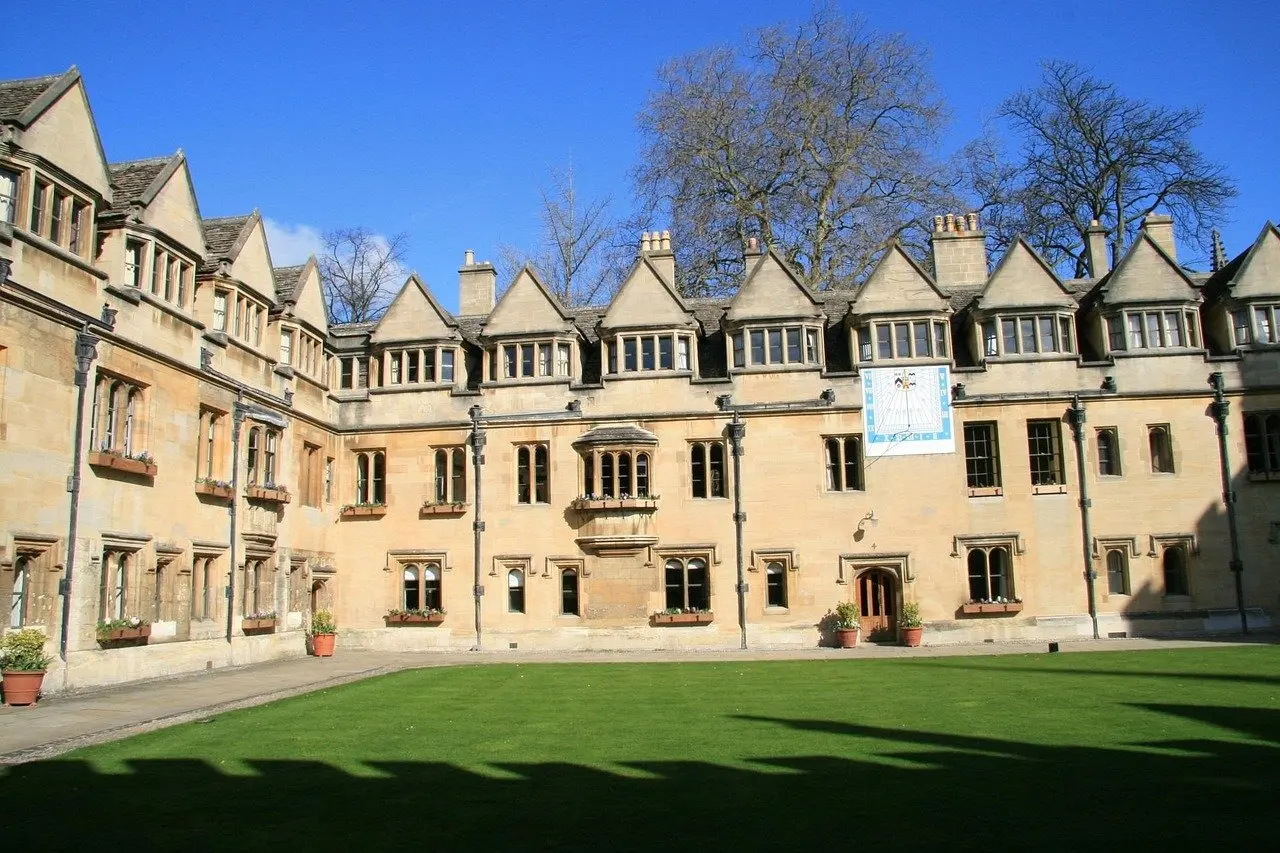
Agnes Yewande Savage (1906 to 1964) was born in Edinburgh and graduated in medicine there in 1929, aged 23. The University of Edinburgh describes her as the first West African woman to train and qualify in orthodox medicine.
Her career sits within the wider story of colonial era university history, where the question was never only who could enter a medical school but what a qualification then earned in imperial service.
Gold Coast service and what it reveals
After qualifying, Savage joined the colonial service in the Gold Coast (present-day Ghana) as a Junior Medical Officer, according to the University of Edinburgh alumni service. The same biography says that, though better qualified than most of her male counterparts, she received much fewer benefits.
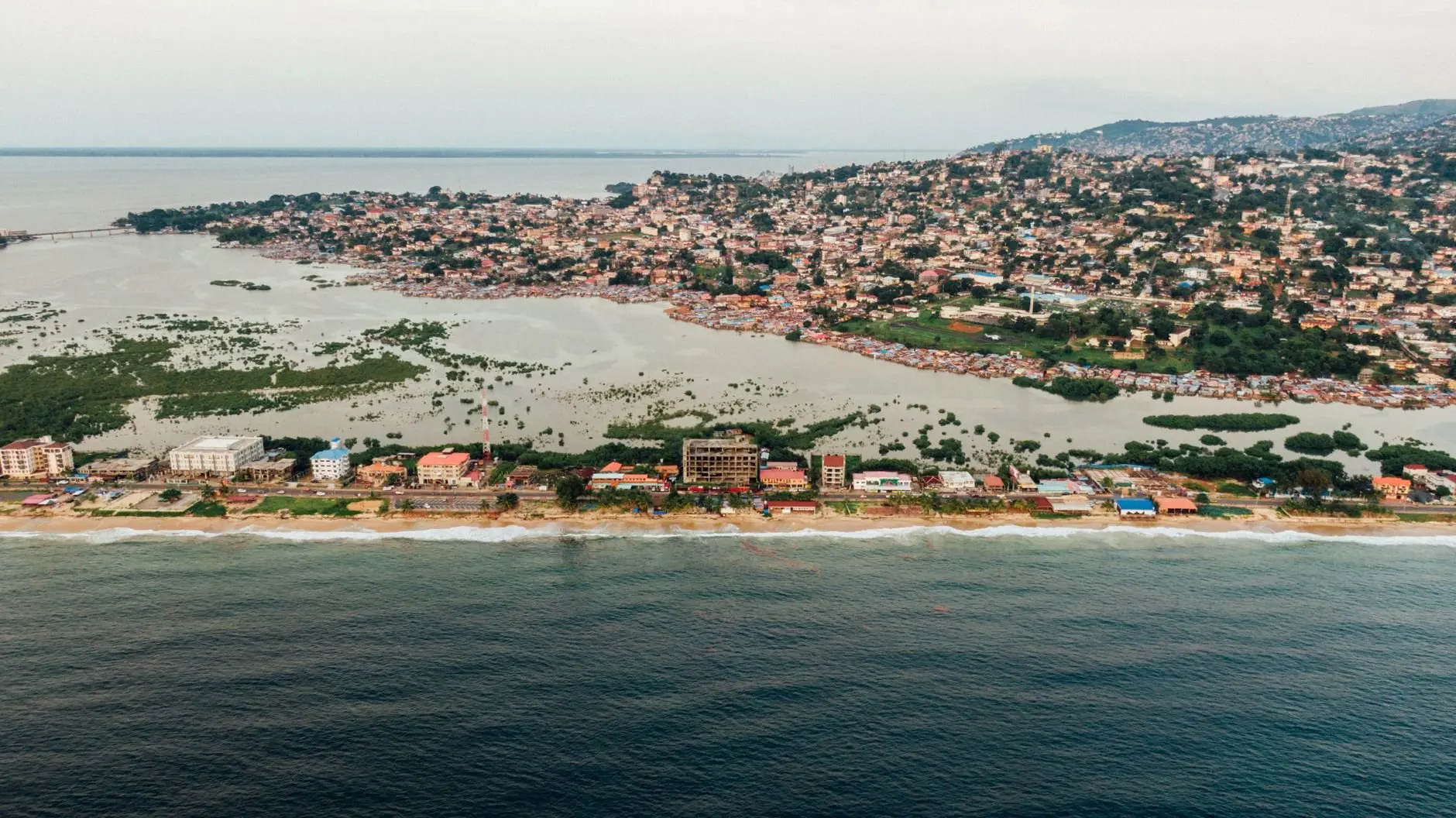
A biographical blog account goes further, stating that she was paid much lower wages and asked to live in the servants’ quarters. That account is secondary, so the university’s wording on fewer benefits is the safer statement to rely on.
The practical lesson is that an Edinburgh degree with top honours did not buy equal terms. The comparison made in the biography is with male colleagues, which makes gender a central factor in her treatment, alongside the hierarchies of the colonial service.
Posts she held
- Colonial service: she began as a Junior Medical Officer in the Gold Coast, the entry-level grade for a doctor who held a full Edinburgh qualification.
- Achimota: she spent four years at Achimota as a medical officer and a teacher, starting in 1931, which combined clinical work with teaching.
- Accra: she was in charge of the infant welfare clinics associated with Korle Bu Hospital in Accra.
- Korle-Bu recognition: a ward was later named in her honour at Korle-Bu.
Links to later generations
The Edinburgh biography also mentions Susan de Graft-Johnson, who studied at Edinburgh and went on to become Ghana’s first female medical doctor. Her appearance beside Savage’s Achimota years suggests the Gold Coast’s first generation of women doctors shared an Edinburgh connection.
Why she is described as a pioneer
The University of Edinburgh states that she was the first West African woman to train and qualify in orthodox medicine. The claim is specific: it concerns training and qualifying in orthodox medicine, and the wording is the university’s own.
Her record at Edinburgh explains why the description carries weight. The biography lists the following achievements:
- Fourth-year honours: first class honours in all subjects.
- Skin diseases: a prize in Diseases of the Skin.
- Forensic Medicine: a medal in the subject, described as a first for a woman in the history of Edinburgh.
- Best woman graduate: the Dorothy Gilfillan Memorial Prize in 1929.
The prize named for the best woman graduate shows that women’s results were recognised in their own category, while the Forensic Medicine medal shows her competing in an open subject. Taken together, they argue that her later unequal treatment came from the system around her rather than from any gap in attainment.
Family background and place of birth
Savage was born in Edinburgh in 1906, so her route into medicine began in Scotland rather than with a voyage from West Africa. Her father, Richard Akinwande Savage Sr, was a Nigerian medical doctor, newspaper publisher and a 1900 Edinburgh graduate. Her mother, Maggie S. Bowie, was a native Scotswoman.
Her father’s Edinburgh degree meant that the medical school was already a familiar route in her family. Her brother, Richard Gabriel Akinwande Savage, became the first person of West African heritage to receive a British Army commission, according to the University of Edinburgh alumni service.

Accounts differ in how they label her. The university calls her a Scottish-Nigerian doctor, while a commercial blog calls her the first woman of West African heritage to train and qualify in orthodox medicine. For precise writing, “West African woman” or “Scottish-Nigerian” both follow her family background, and the university’s own wording is the better model for formal use.
Reading the Edinburgh record: matriculation and medical education
The University of Edinburgh records that she enrolled to study medicine, and matriculation is the formal step that places a student on the university’s register. Anyone wanting the exact matriculation year should turn to the university’s matriculation registers, which are the standard primary record for a student career.

Her study is visible through the subjects and awards named in the biography. Diseases of the Skin and Forensic Medicine were part of the medical curriculum she was examined in, and her first class honours in all subjects came in her fourth year. Graduation followed in 1929, at the age of 23.
This is where gender and empire meet in the archive. The Edinburgh record shows a woman admitted, taught and honoured on merit, while the Gold Coast record shows that an equal qualification did not lead to equal terms of service. Reading the two sets of documents together is more revealing than either alone.
Retirement and recognition
Savage retired relatively early in 1947, owing to exhaustion, and later raised a niece and nephew in Scotland. She died in 1964. The wording about exhaustion suggests the cost of a long colonial career in which she carried clinical, teaching and welfare duties.
Recognition in Ghana came through the ward named in her honour at Korle-Bu, and in Scotland through the University of Edinburgh’s alumni history pages. The biography there draws on an account on the Centre of African Studies website by Henry Mitchell.
Frequently asked questions
Was Agnes Yewande Savage born in West Africa?
No. The University of Edinburgh states that she was born in Edinburgh in 1906. Her father was Nigerian and her mother Scottish.
Which prizes did she win at Edinburgh?
She won a prize in Diseases of the Skin and a medal in Forensic Medicine, and received the Dorothy Gilfillan Memorial Prize as the best woman graduate in 1929.
Why did she retire in 1947?
The university’s biography says she retired relatively early because of exhaustion.
What was her connection to Susan de Graft-Johnson?
The Edinburgh biography mentions de Graft-Johnson, who studied at Edinburgh and became Ghana’s first female medical doctor, in connection with Savage’s Achimota years.