
| Measure (Scotland, 2025-26) | Recorded figure | Planning use |
|---|---|---|
| All recorded crime | 315,357 crimes, up 5% from 299,111 | A modest national rise. Keep routine precautions rather than treating any one night out as unusually risky. |
| Non-sexual crimes of violence | 75,601 crimes, up 6% from 71,170 | Plan evening routes and leave early if a situation turns tense. |
| Crimes of dishonesty | 118,040 crimes, up 6% from 110,913; 36.7% cleared up | The category that covers theft. Prevention matters more than hoping for recovery. |
| Sexual crimes | 16,430 crimes, up 10% from 14,892 | Plan journeys home with other people where possible, and agree check-in routines with friends. |
These national figures come from the Scottish Government recorded crime statistics for 2025-26 and cover Scotland as a whole, not Edinburgh alone.
Is Edinburgh safe for students? Students face the ordinary risks of a busy city. Theft is the main practical concern, so secure belongings and plan late journeys home carefully.
The sections below follow a student’s first months, from reading the numbers to settling in and managing nights out. They sit alongside the wider guide to living in edinburgh as a student.
Before you arrive: reading the crime numbers
Scottish Government statistics show that crimes recorded by the police in Scotland rose from 299,111 to 315,357 in 2025-26. Non-sexual crimes of violence rose 6% to 75,601, and crimes of dishonesty rose 6% to 118,040. Neither rise is dramatic, but both justify basic habits from the first day.
Treat the figures as a guide, not a verdict. The same publication notes that recorded crime does not reveal the incidence of all crime, because not all crimes are reported to the police. Recorded totals therefore understate what happens, and a low local figure would not mean zero risk.
Edinburgh has four universities: the University of Edinburgh, Edinburgh Napier, Heriot-Watt and Queen Margaret, according to the StudentCrowd listing for Edinburgh. The same listing says the University of Edinburgh alone attracts 35,000 students. Students are a normal part of the city’s population, which makes them a familiar target for opportunistic theft but not a group singled out for danger.
Before arriving, do three things:
- Read your university’s security pages. Note the campus security contact and any safe-travel or support services it offers.
- Save Police Scotland’s non-emergency contact route in your phone alongside the emergency services.
- Check contents cover on your accommodation or home insurance, so a stolen laptop or bike is not a total loss.
First weeks: belongings, bikes and phones
Theft is the part of the crime picture students can influence most. Crimes of dishonesty were the largest group in the 2025-26 recorded crime figures quoted here at 118,040 crimes. Only 36.7% were cleared up, against an overall clear up rate of 56.7%. Damage and reckless behaviour was close behind at 32.5%. Stolen property is much less likely to be traced, which makes prevention the better investment.
Bike security
The recorded statistics do not break out bike theft, but the low clear up rate for dishonesty is reason enough to lock carefully. These steps are sensible habits rather than guarantees:
- Lock the frame to a fixed stand and secure a wheel too, instead of leaving a single light lock around a wheel.
- Avoid leaving a bike out overnight in an unlit spot if secure storage is available at your accommodation or campus.
- Record the serial number and keep a photo of the bike, so a report to Police Scotland and an insurance claim are easier.
Phones, laptops and bags
Pickpocketing and bag theft are most likely where people are distracted: crowded bars, queues and busy pavements. Keep phones in an inside pocket rather than a back pocket, and keep a bag zipped and in front of you. Never leave a laptop unattended in a library or cafe, even briefly.
The Scottish Government also estimates that 14,200 cyber-crimes were recorded by the police in Scotland in 2025-26. For a new student, the practical risks are phishing messages about accommodation deposits or student finance, and fake sellers on marketplace sites. Pay through the platform’s protected route and check any request for money against the organisation’s official website.
Food shopping is a daily routine that gets students out in the evening. When comparing the cheapest supermarket edinburgh offers near your flat, factor in whether the walk back will be after dark with full bags.
After dark: walking and travelling home
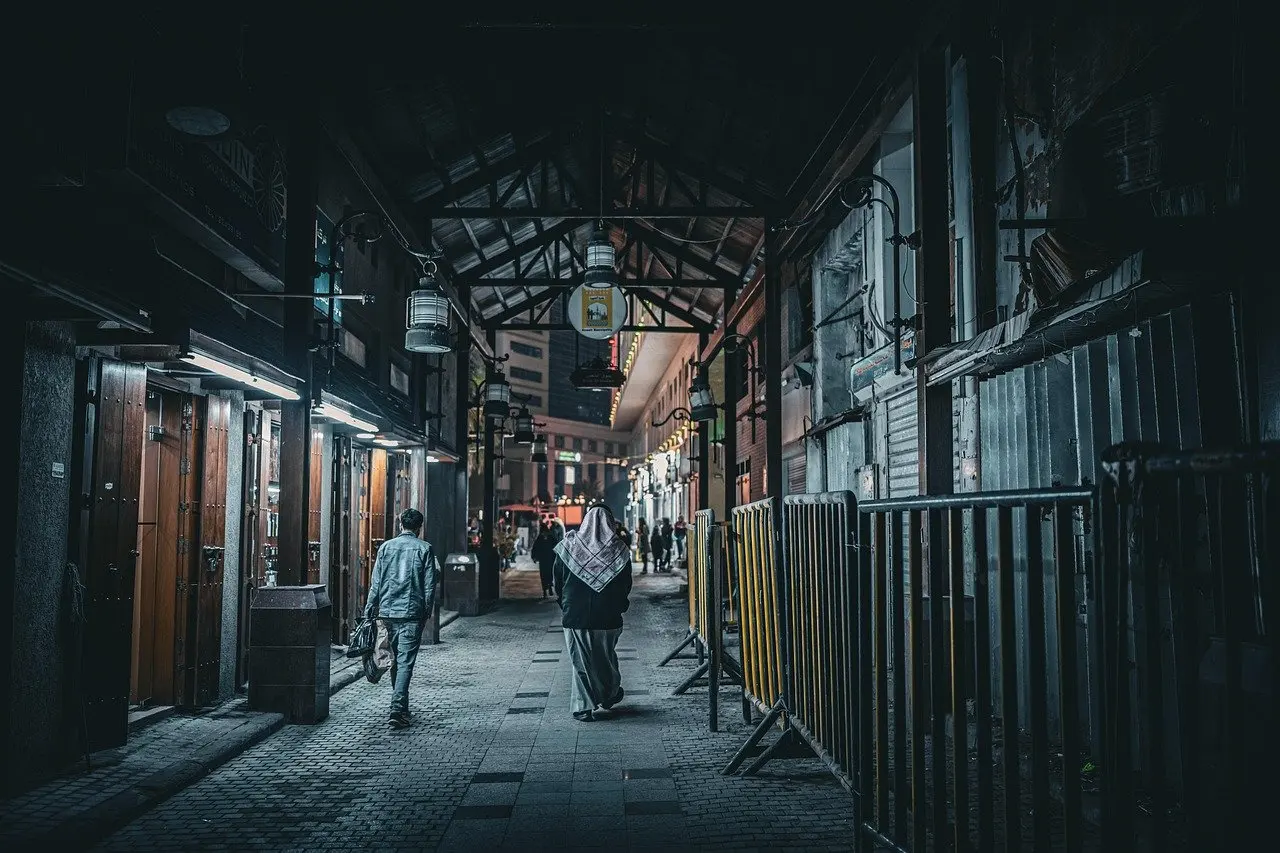
The question “which areas need extra care at night?” is better answered by route and circumstance than by postcode. Student neighbourhoods range from busy central streets near campus to quieter residential streets. The published statistics used here are national and do not rank Edinburgh districts, so no area can be called safe or unsafe on that evidence. Judge the street you will actually walk: lighting, passing foot traffic and whether you are alone.
On foot
Recorded sexual crimes rose 10% to 16,430 in Scotland, and non-sexual violence rose 6% to 75,601, according to the Scottish Government. These figures are national and carry no area breakdown here, but they are a good reason to choose a safer route home instead of the fastest one.
- Agree the route before leaving. Prefer main roads with lighting and some traffic over shortcuts through quiet lanes, car parks or parks.
- Travel with others where you can, and tell a friend when you are home.
- Keep your phone charged and share your live location with a trusted person if you are walking alone.
- Keep headphones low or out so you can hear what is around you.
- Leave early, not late, if a place or group makes you uneasy. Go into an open shop or busy venue, and call the emergency services if you feel in danger.
By bus and taxi
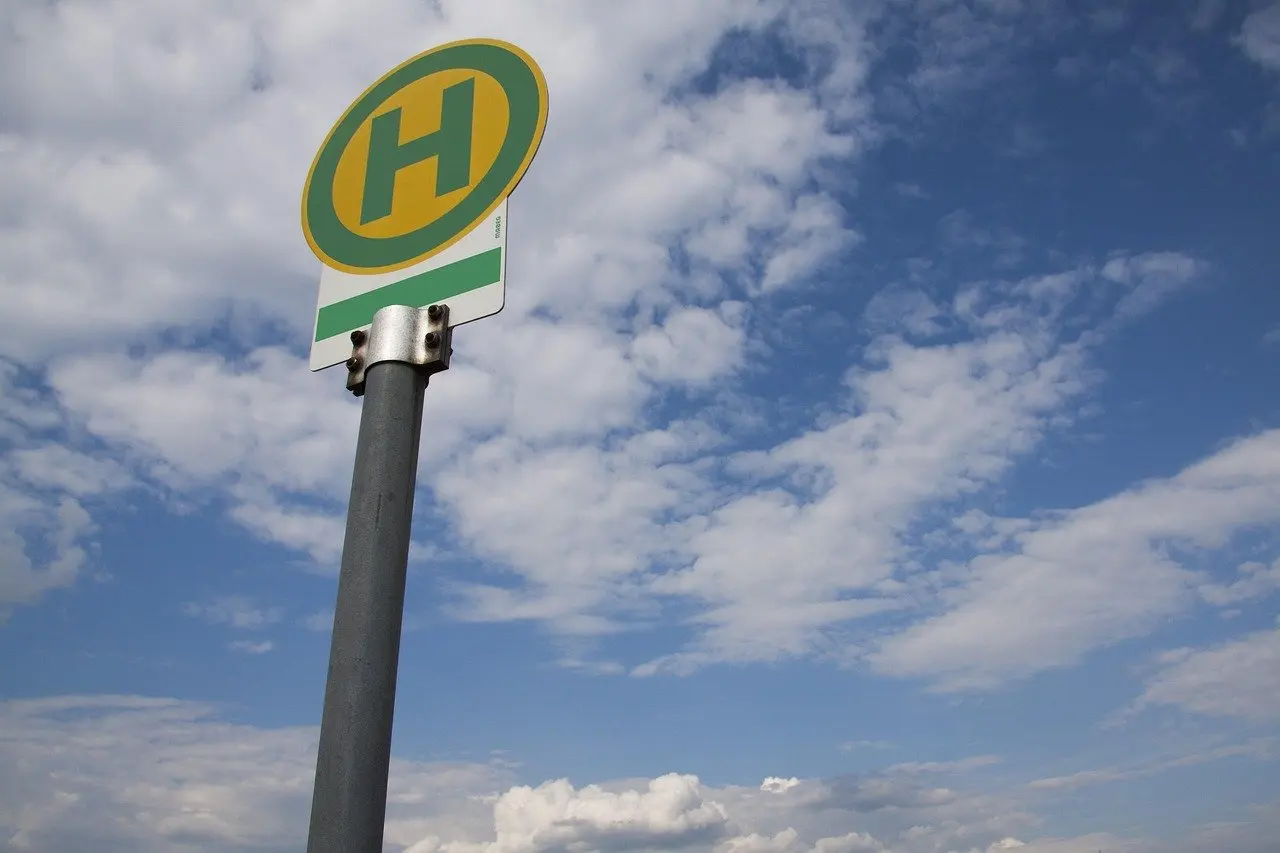
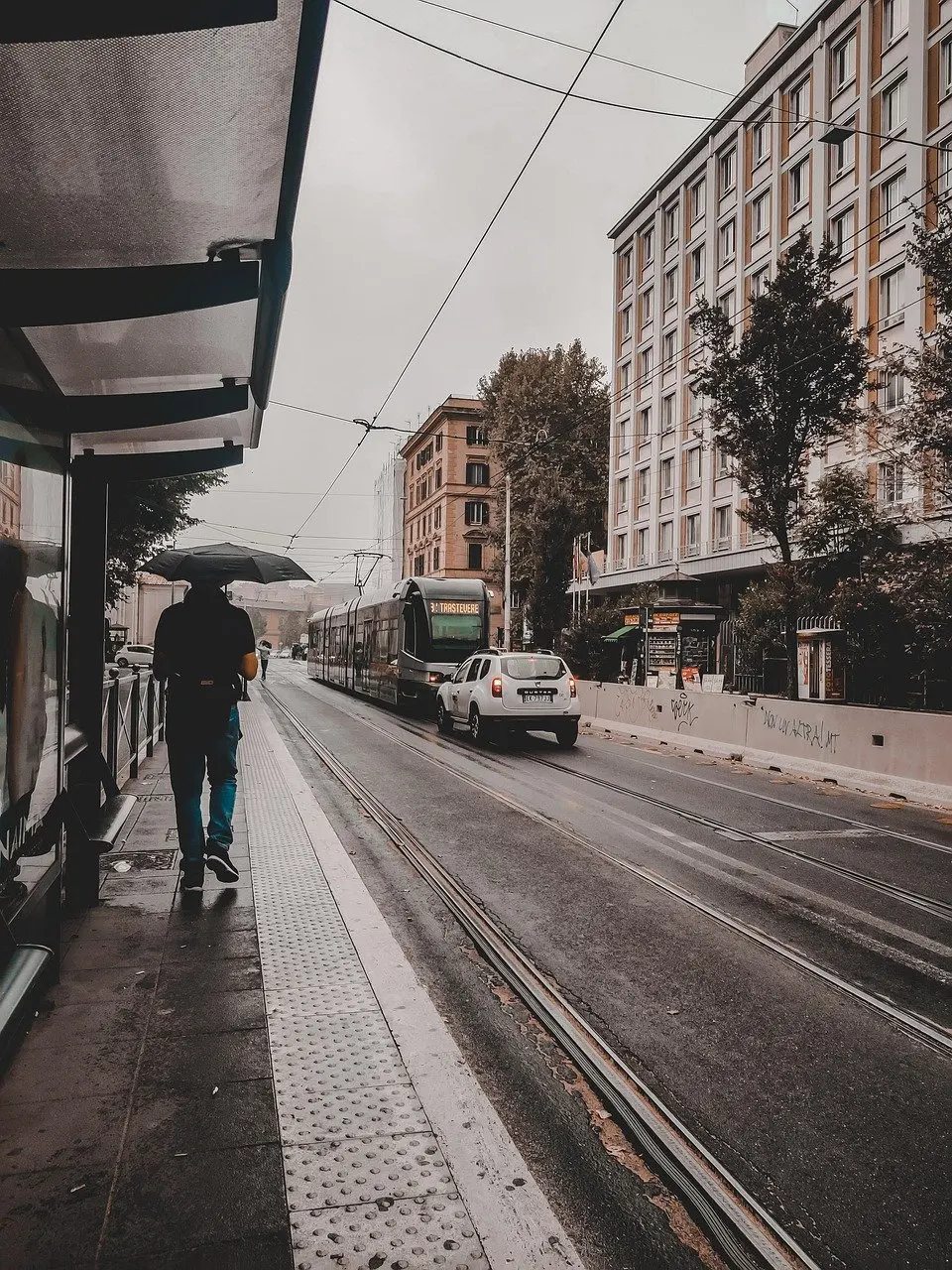
Public transport is often the safer alternative to a long solo walk. Check the Lothian Buses timetable and night service information before a night out, and know where your nearest stop is and when the last service runs. Late-night timetables differ from daytime ones, so confirm the route home before you go instead of relying on memory.
If the bus is not practical, book a licensed taxi through an official app or from a recognised rank rather than accepting an unbooked lift. Check the registration and driver details before getting in.
Late shifts raise the same questions. Anyone looking at part time jobs for students in edinburgh in hospitality or retail should ask when the shift ends and how they will get home, because a finish after the last bus changes the whole plan.
Across the term: habits, areas and reporting
Safety in a student city depends on repeated habits more than on any single decision. The busiest campus squares in the evening, with other students crossing and traffic nearby, feel different from a residential street after the pubs close, and they call for different habits.

- Start with busy, lit routes. The same walk can feel very different at dusk and well after midnight, so recheck it at the hour you will actually make it.
- Secure flats and halls. Lock the door and windows when you leave and do not prop shared entrances open or let strangers in behind you.
- Report incidents. Recorded figures depend on people reporting. Report theft to Police Scotland, and tell your university’s security or student support team if the incident involves a student or happens on campus. A crime reference number is usually needed for an insurance claim.
- Look after friends. Do not leave a friend alone who has had too much to drink, and make sure everyone has a way home before the night starts.
With these habits in place, most students manage the ordinary risks of city life without turning it into constant worry.
Frequently asked questions
Is Edinburgh a safe city for students?
Edinburgh carries the usual risks of a busy city, chiefly theft and some late-night violence. National recorded crime rose 5% in 2025-26, but the figures cover Scotland, not Edinburgh alone, and they understate crime that is never reported. Sensible routes and secured belongings reduce most of the risk.
What should students do about theft and bike security?
Lock the frame and a wheel to a fixed stand, record the serial number and avoid leaving valuables on show. Dishonesty crimes had a clear up rate of only 36.7% in Scotland in 2025-26, so recovery is unlikely and prevention is the better plan.
Which areas need extra care at night?
No published figures in the Scottish Government release rank Edinburgh districts. Take extra care on unlit shortcuts, quiet lanes, car parks and any route where you would be walking alone, whichever neighbourhood you live in.
Is it safe to walk home alone at night in Edinburgh?
It depends on the route, the hour and your circumstances. Main roads, a charged phone, a shared location and a friend who knows when you arrive all help. If the walk is long or the hour late, use a bus or a booked licensed taxi instead.
Should students report minor thefts?
Yes. Recorded statistics only reflect crimes that are reported to the police, and a crime reference is usually needed for insurance. Tell your university’s security or support team as well if the theft happened on campus.