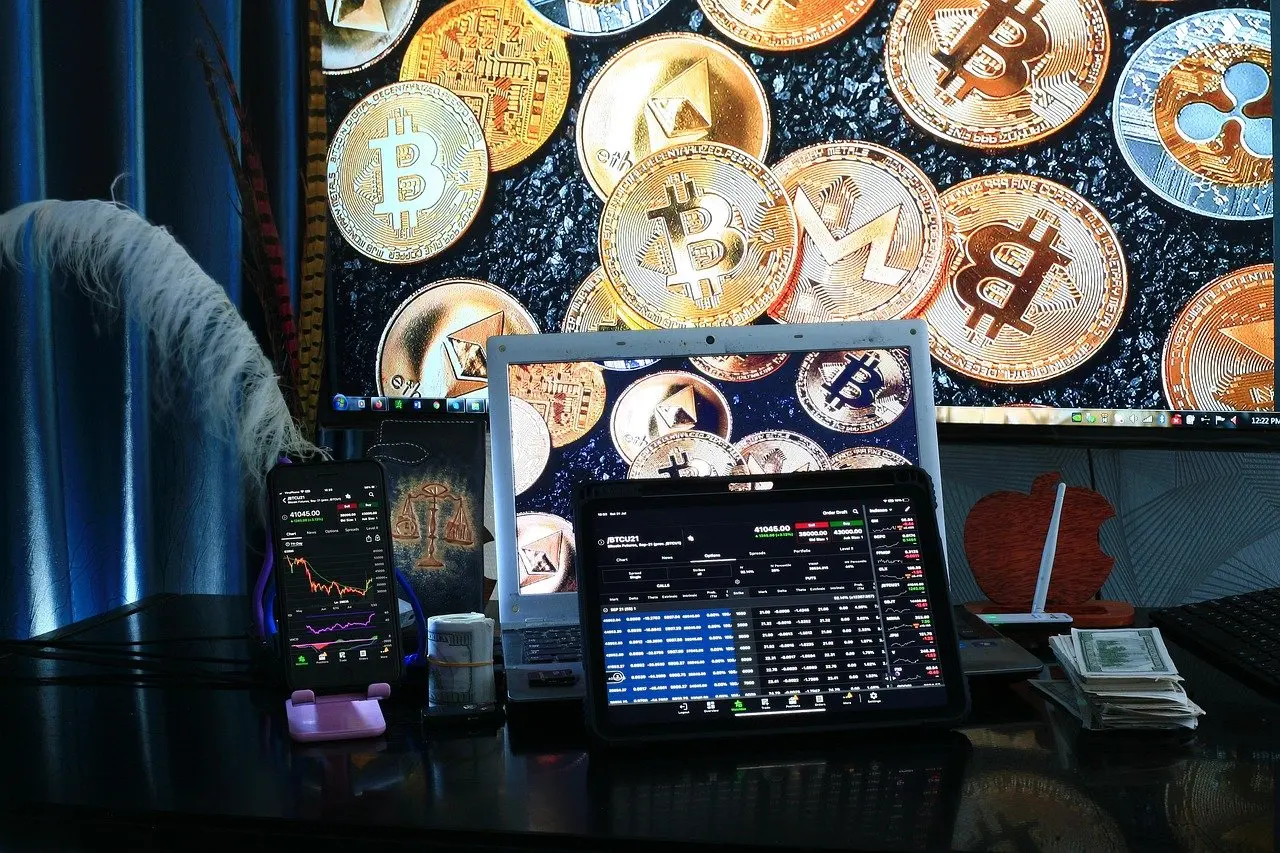
bitclassic.org is the web address of Bitclassic, a site that describes itself as a comprehensive online platform for blockchain, crypto, trading and NFT content.
| What it is | A crypto, blockchain, trading and NFT content site with news, guides and articles |
| Where the address leads | Each typed form of the address lands on the site’s home page |
| Pages named in this article | The home page, the About page and the contact page |
What bitclassic means when typed as an address
The address leads to one place: the Bitclassic home page. A short walk through four typed forms shows how that works in practice.
Start with the plainest form, the name followed by the ending and nothing else. Typed that way, it arrives at the home page over a secure connection. Next, add a trailing slash, as in bitclassic.org/. The slash marks the root of the site, and it leads to the same home page. Now add the “www” prefix at the front. That form also lands on the same home page, and so does the “www” form with a trailing slash.
So the four forms a reader is likely to type all end up in the same spot. None of them needs extra steps, and none leads to a separate site. A reader who sees a different page after typing any of them has most likely followed a link or a saved bookmark rather than the plain address.
One generic habit helps here. Typing a site’s address into the browser, rather than following a link in a message, keeps the reader in control of where they land.
Once on the home page, the site presents itself as a hub for crypto enthusiasts. The searched sense of the brand name is therefore simple: it is the front door of a content site about digital assets and the technology around them.
Where the pieces sit on the Bitclassic site
The Bitclassic site keeps a small set of pages that matter to someone who has just typed its name, and each has a clear job.
- The home page: the destination of every typed form of the address, and the place where the site presents its articles.
- The About page: it calls Bitclassic a hub for crypto enthusiasts, says a founder started it, and names an editor and publisher who oversees a team of writers.
- The contact page: the site has a contact page for readers who want to reach it. A contact article on the site also refers to a press email, a general inquiries inbox and a central office phone number.
- The articles: the site publishes news, guides and explanatory pieces on blockchain, crypto, trading and NFTs. One example is an article titled “Bitcoin Price History”.
The people behind the About page are not named here. A reader who wants those names can read that page directly.
The terms a newcomer meets first
Crypto, short for cryptocurrency, means a digital asset that records ownership on a shared ledger instead of through a single bank. Bitcoin is the best-known example, and a page about its price history is the kind of reference a newcomer often opens first. Prices there are a record of what the asset has traded for over time.
Blockchain is the ledger technology underneath. It stores records in linked blocks that many computers keep copies of. Articles about payments, business tools and trading platforms often lean on this idea, so it appears in many headlines on a site like this one.
Trading is the buying and selling of assets, and an NFT is a unique digital item whose ownership is recorded on a blockchain. The site groups all four ideas under one description, which is why a first visit tends to show a spread of guides rather than one narrow subject. The term “hub” in the About page’s wording simply means a single place that collects this material.
Where bitclassic fits in crypto publishing
Bitclassic belongs to the wide field of crypto media: sites that explain digital assets, report on the market and teach beginners how to get started.
That field has a few familiar shapes. Some sites publish daily market news. Others focus on how-to guides for newcomers, such as an article on starting to trade in cryptocurrency, which Bitclassic carries. Others write about the technology, covering blockchain, payments and the tools businesses build on top of them. Bitclassic describes itself as covering blockchain, crypto, trading and NFT content together.

Readers of this kind of content usually want one of three things. They want a plain definition of a term, a walkthrough of a task, or background on how an asset or a payment method fits into everyday finance. General information of this sort is not a recommendation to buy, sell or hold anything, and prices in any asset can move in either direction. A guide on trading is a starting point for learning the vocabulary, not personal financial advice.
It also helps to know that site names and article titles in this field often borrow each other’s vocabulary. A reader who sees the same word in several titles is looking at a shared topic rather than a single publisher.
Search phrasings around bitclassic and what each is after
People reach the Bitclassic site through many spellings of the same name. The list below groups the common phrasings by what the searcher most likely wants.
- www bitclassic .org, bitclassic .org, www .bitclassic.org and www .bitclassic org: these are the address with stray spaces or a misplaced dot. The searcher is trying to find the home page, and the plain address described above takes them there.
- bitclassic.org/: the address with a trailing slash, as many browsers and copied links show it. It reaches the same home page.
- bitclassic applewhite and applewhite bitclassic: a surname paired with the brand, in either order. The searcher wants a person’s name tied to the site. The About page is where the site names its founder and its editor and publisher.
- bitclassic rebecca applewhite and rebecca applewhite bitclassic: the same pairing with a full name, again in both orders, with the same destination for answers: the About page.
- uldm explained bitclassic: a phrasing that matches an article title on the site. The searcher wants an explainer, so the article itself is the place to read.
- bitclassic factors contributing: also matches an article title on the site. The searcher wants a piece on the factors behind a topic.
The spaced and misplaced forms look like typing slips rather than separate sites. Name pairings and article-title phrasings are different: they point at content, not at an address.
How the parts of bitclassic fit together
The Bitclassic site works as a simple chain: the address leads to the home page, the home page leads to articles, and the About and contact pages explain who runs it and how to reach it.

Start at the address. Any of the four typed forms ends at the same home page, so the choice between the plain form, the slash form and the “www” forms makes no practical difference. From there, the site’s articles carry the actual content on blockchain, crypto, trading and NFTs.
The About page sits beside the articles as the site’s statement about itself. It says a founder started Bitclassic, calls it a hub for crypto enthusiasts, and names an editor and publisher who oversees a team of writers. A reader who arrived by typing a name pairing, such as one of the surname phrasings above, will find the About page the natural stop for that question.
The contact page is the last piece. The site has a contact page, and a contact article refers to a press email, a general inquiries inbox and a central office phone number. No specific number or email address is quoted here, because none is given in the material available. A reader who needs to get in touch should use the contact page itself.
Taken together, the parts are modest and easy to follow. The address is the entry point, the home page is the hub, the articles are the substance and the About and contact pages are the reference points. Each of the odd search phrasings in the list above is just a different route into one of these four parts.