| Reader situation | Named person or topic | Verified detail | Planning use |
|---|---|---|---|
| Finding Caribbean-born students | Clara Christian | Dominican-born; enrolled 1915 as the first black woman student at the University; left before graduating; emigrated back to the Caribbean in 1921 | Cite as a student, not a graduate |
| Finding Caribbean-born students | Edgar Gordon | Fellow Caribbean medical student in the 1910s; emigrated with Christian in 1921 | Use as a named student; confirm qualification elsewhere |
| Understanding colonial careers | Caribbean-trained graduates in Bermuda | Faced institutional barriers in the employment sector and were frequently overlooked for roles given to white colonials | Use for the limits on advancement |
| Understanding colonial careers | Edith Pechey | Senior Medical Officer at the Cama Hospital for Women and Children in Bombay, 1883 | Example of a senior imperial post held by an Edinburgh-linked woman |
| Understanding colonial careers | Kesaveloo Goonam | Graduated 1936; first Indian female doctor in South Africa | Comparison from another colony |
| Understanding who could enter the school | Edinburgh Seven | Began medicine in 1869; refused the right to graduate in 1873 | Context for access barriers for women |
| Locating records | Old Medical School | Teviot Place, Edinburgh EH8 9AG | Starting address for the medical school’s history |
The details in the table come from Curious Edinburgh’s medical school coverage and Scotland with Hannah’s account of the Edinburgh Seven.
Edinburgh trained doctors caribbean history is best told through named people. Clara Christian and Edgar Gordon, both studying in the 1910s, are the clearest Caribbean examples, and Christian did not graduate.
The entries sit within the wider colonial era university history of the University. Each gives a name, a date and a role wherever one is documented, grouped by what a reader is trying to do.
If you need Caribbean-born students
Two named Caribbean medical students from the 1910s are documented, and both belong in a quick reference. Neither should be described as an Edinburgh-qualified doctor without further confirmation.
Clara Christian
Curious Edinburgh describes Dominican-born Clara Christian as the first black woman student enrolled at the University, in 1915. She began her medical degree that year but left the University before graduating. She and her partner, Edgar Gordon, emigrated back to the Caribbean in 1921.
She suits readers who want a Dominican-born woman and a firm enrolment date. Her limitation is that she never completed the degree, so she is evidence of Caribbean access to Edinburgh medicine rather than of Caribbean graduates practising.
Edgar Gordon
Gordon is named as a fellow Caribbean medical student, and he left with Christian in 1921. He suits readers tracing how Caribbean students moved between the islands and Edinburgh as a pair rather than as isolated individuals. His graduation year and later practice need confirming in university records before he is called a qualified doctor.
If you need careers in the colonies
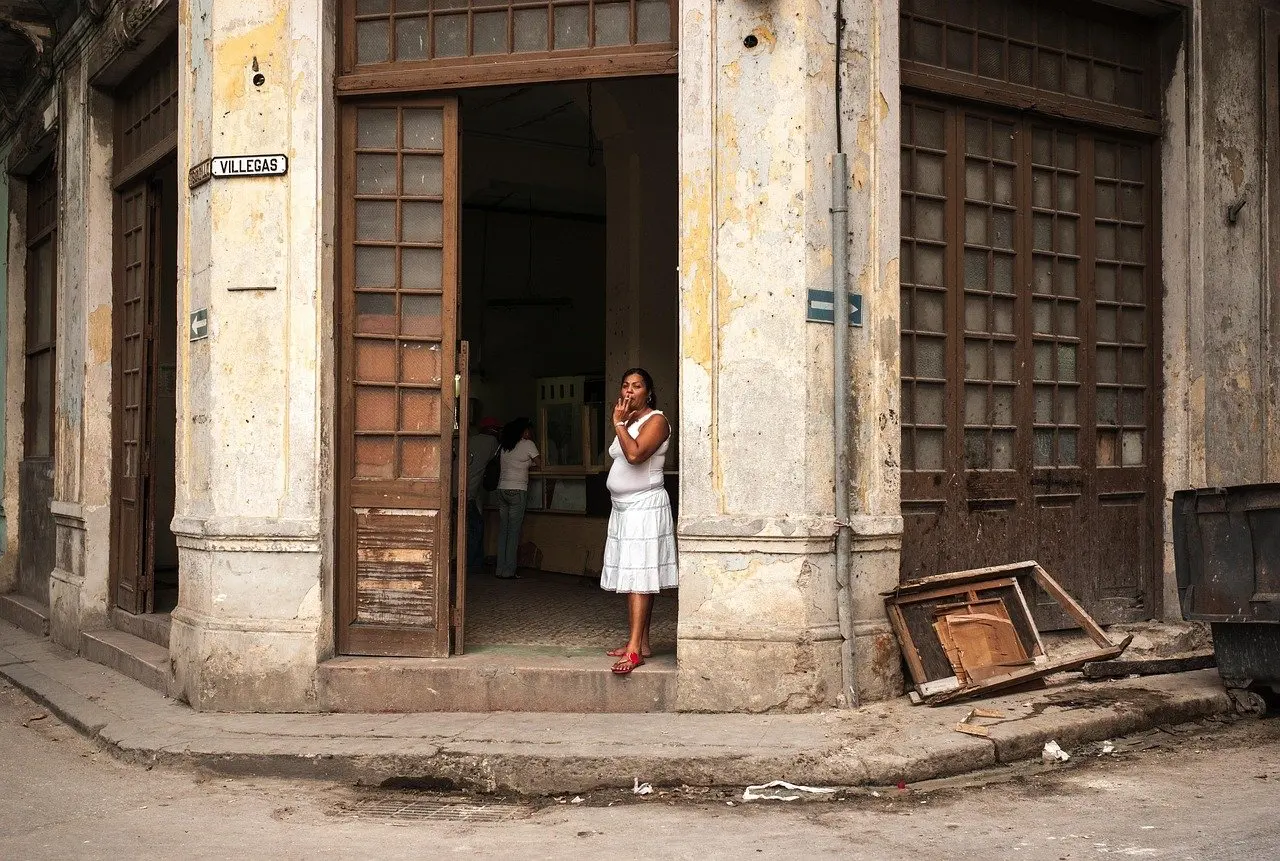
Documented colonial careers show both advancement and obstruction. The Caribbean evidence concerns barriers, while the senior posts come from India and South Africa.
Caribbean-trained graduates in Bermuda
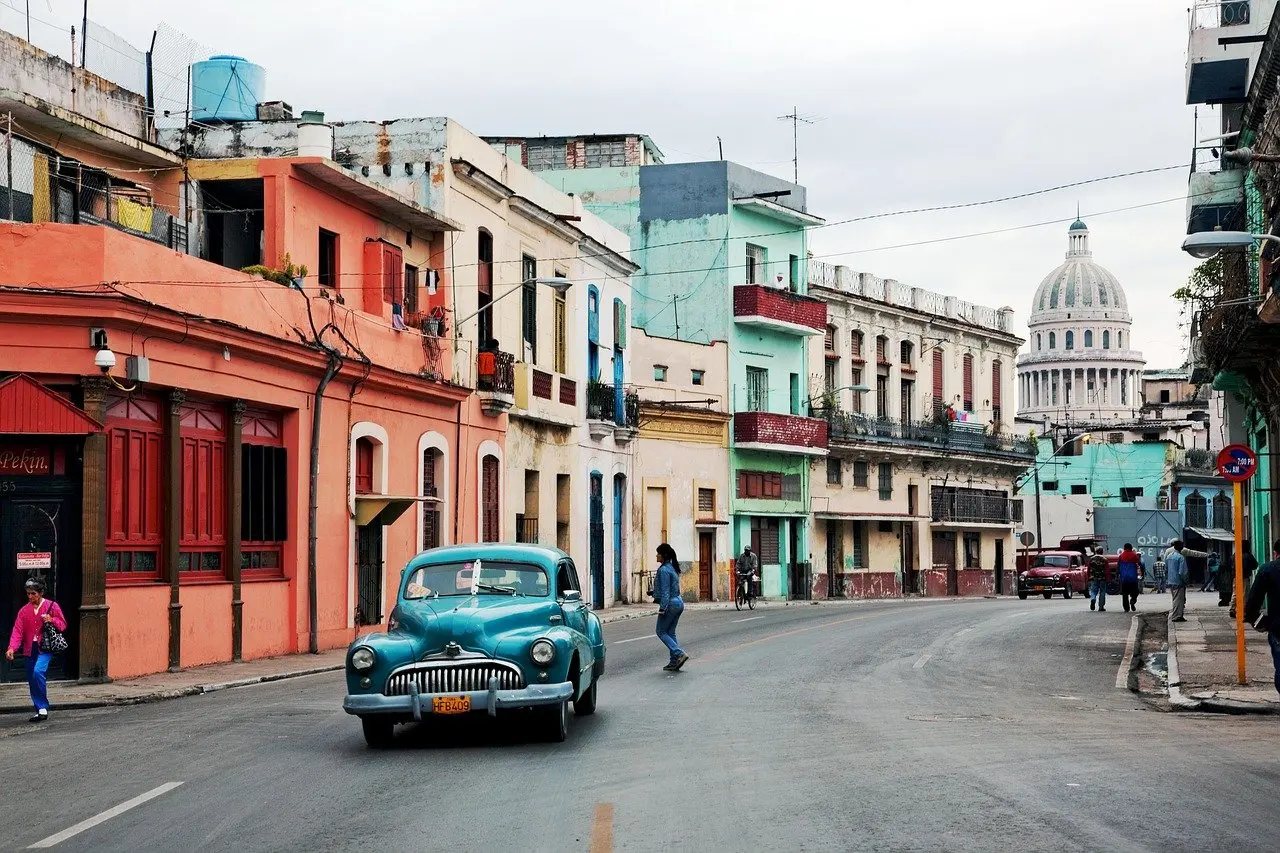
According to Curious Edinburgh, Caribbean-trained graduates faced institutional barriers in Bermuda’s employment sector. They were frequently overlooked for roles given to white colonials. This suits readers asking what a qualification actually delivered. A degree opened a profession, but it did not guarantee the posts that colleagues of a different background obtained.
Edith Pechey in Bombay
Edith Pechey, one of the Edinburgh Seven, became Senior Medical Officer at the Cama Hospital for Women and Children in Bombay in 1883, as Scotland with Hannah records. She is not a Caribbean example. She suits readers comparing how Edinburgh-linked doctors reached senior imperial posts, and she shows what a medical officer’s career could look like in the British Empire.
Kesaveloo Goonam in South Africa
Goonam graduated from Edinburgh’s Medical School in 1936 and became the first Indian female doctor in South Africa, according to Curious Edinburgh. Her story suits readers wanting a graduation year paired with a career milestone. It does not describe the West Indies, so use it as a comparison only.
If you need to understand who could enter the medical school
Edinburgh’s medical school was open to some groups before others, and the history of women’s entry shows how entry rules shaped who could qualify.
The Edinburgh Seven
In 1869 the first women admitted to any British university began studying medicine at Edinburgh, as Scotland with Hannah notes. On 18 November 1870 the women arrived to sit an anatomy exam at Surgeons’ Hall amid a riot. In 1873 the University refused to let them graduate. Sophia Jex-Blake became the third licensed female doctor in Britain in 1877 and set up the Edinburgh School of Medicine for Women in 1886. Women were not allowed to study at Scottish universities again until 1892.
This suits readers who want the background to Clara Christian’s 1915 enrolment. Christian entered a school that had long contested women’s presence. The case also shows that qualifying could mean going elsewhere: Matilda Chaplin gained a midwifery certificate in London in 1874 and finished her medical degree in Paris in 1879.
Why families looked to Edinburgh
Edinburgh’s medical school has attracted many international students throughout its history, according to Curious Edinburgh. That draw is the supported explanation for why Caribbean families might send sons and daughters there. Specific family motives, such as cost, connections or reputation, are explored in why did colonial students study at edinburgh university. Readers following the story into the next century can continue with caribbean students university of edinburgh 1960s.
If you need to check records
Every entry above should be matched against university records before it is repeated. A name plus an enrolment date is a start, but a graduation year and career need a graduate list or thesis behind them.
The Old Medical School
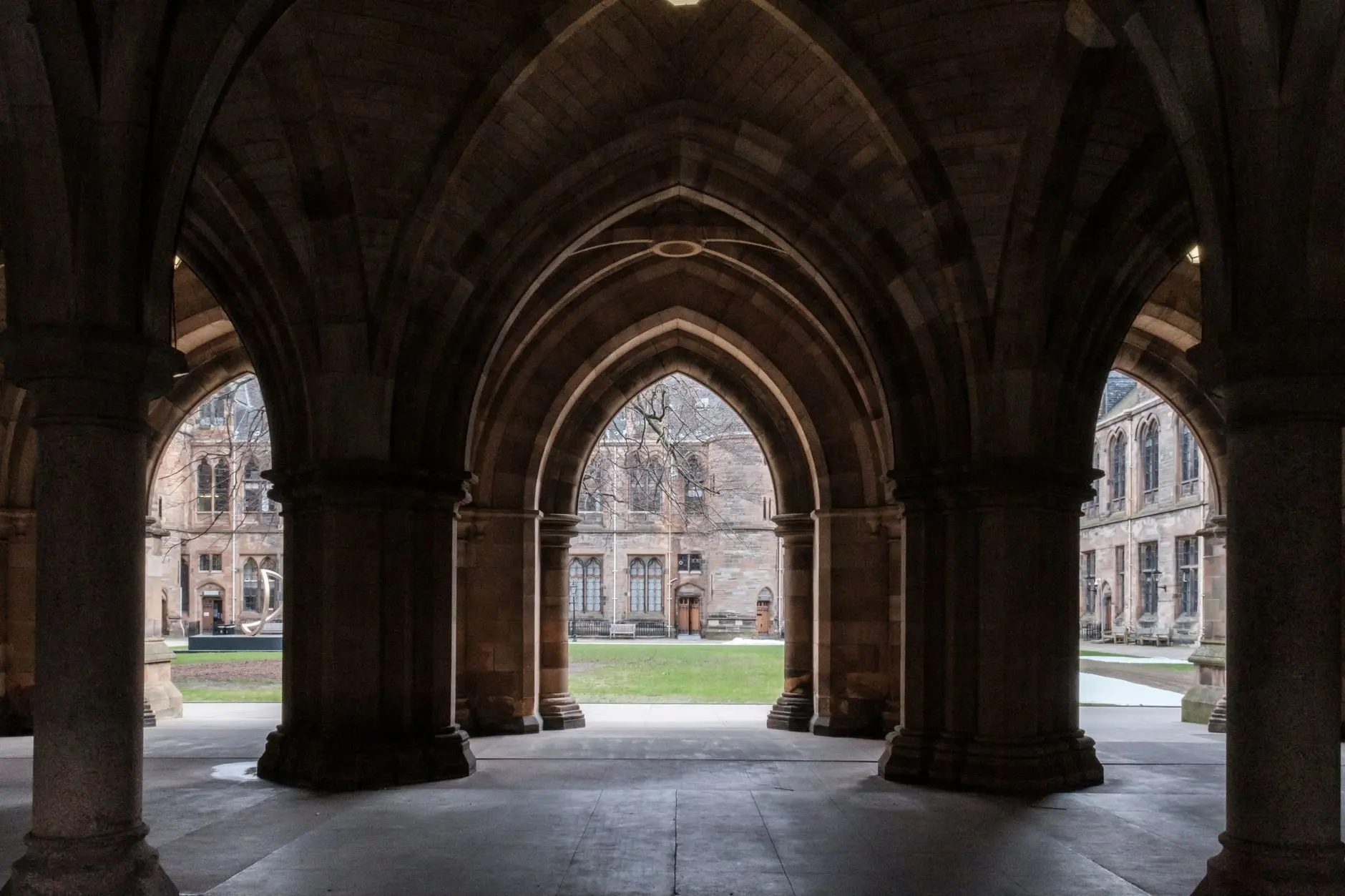
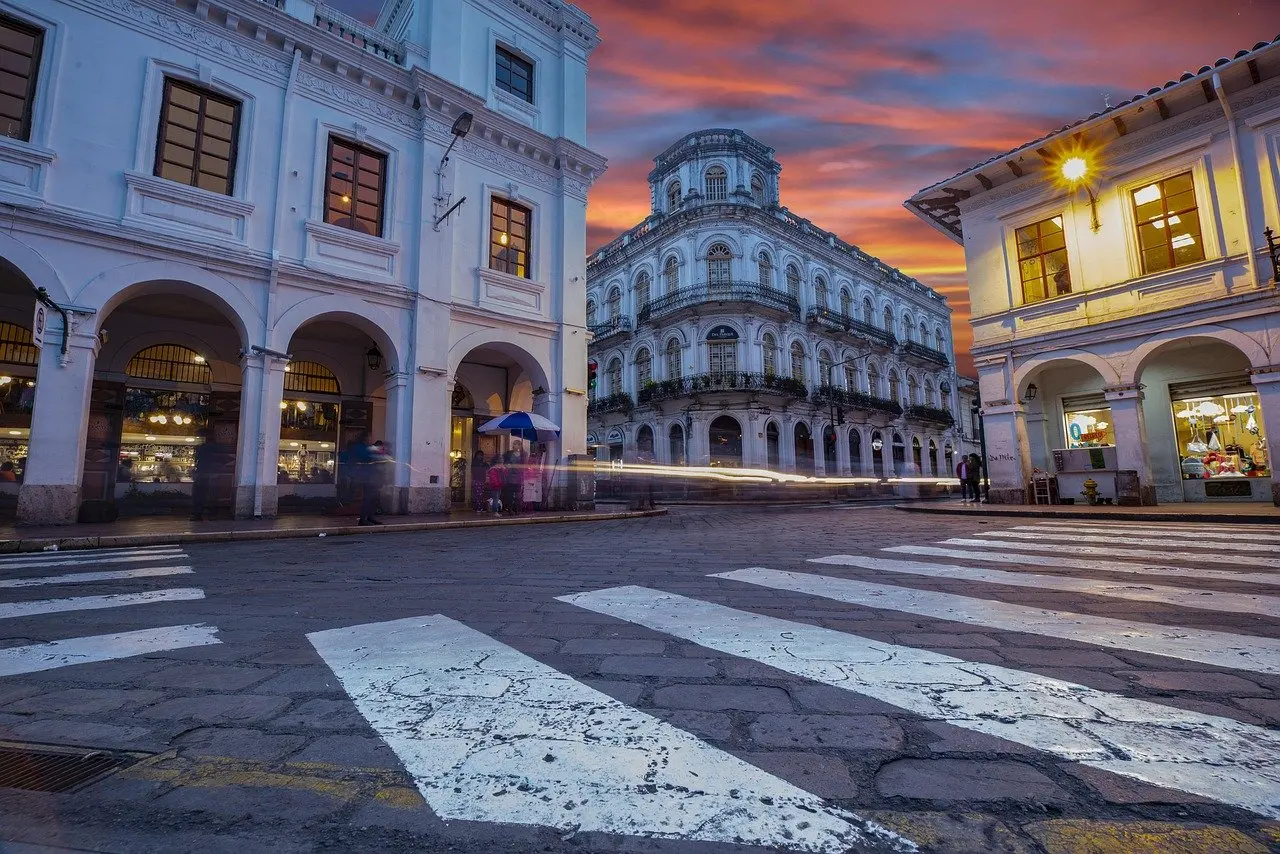
The Old Medical School of the University of Edinburgh is at Teviot Place, Edinburgh EH8 9AG, the address given by Curious Edinburgh. It suits readers who want the physical home of the medical school’s story. The address identifies the building and is not a catalogue location for any particular thesis or graduate list.
Separating students from graduates
The Christian and Gordon cases show why the distinction matters. Christian was enrolled and recognised in 1915 but left before graduating, while Goonam’s 1936 graduation is a completed qualification. A reference list that mixes the two overstates how many Caribbean doctors Edinburgh produced. Where a name appears with no graduation year, treat it as a lead to confirm rather than a finished entry.
Frequently asked questions
| Question | Answer |
|---|---|
| Did Clara Christian become a doctor? | No. She began her medical degree in 1915 and left before graduating, then emigrated to the Caribbean in 1921. |
| Who was Edgar Gordon? | Gordon was a fellow Caribbean medical student at Edinburgh and Christian’s partner, who travelled back to the Caribbean with her. |
| What barriers did Caribbean-trained graduates meet in Bermuda? | Institutional barriers in the employment sector, with frequent overlooking for roles given to white colonials. |
| Where is the Old Medical School? | At Teviot Place, Edinburgh EH8 9AG. |