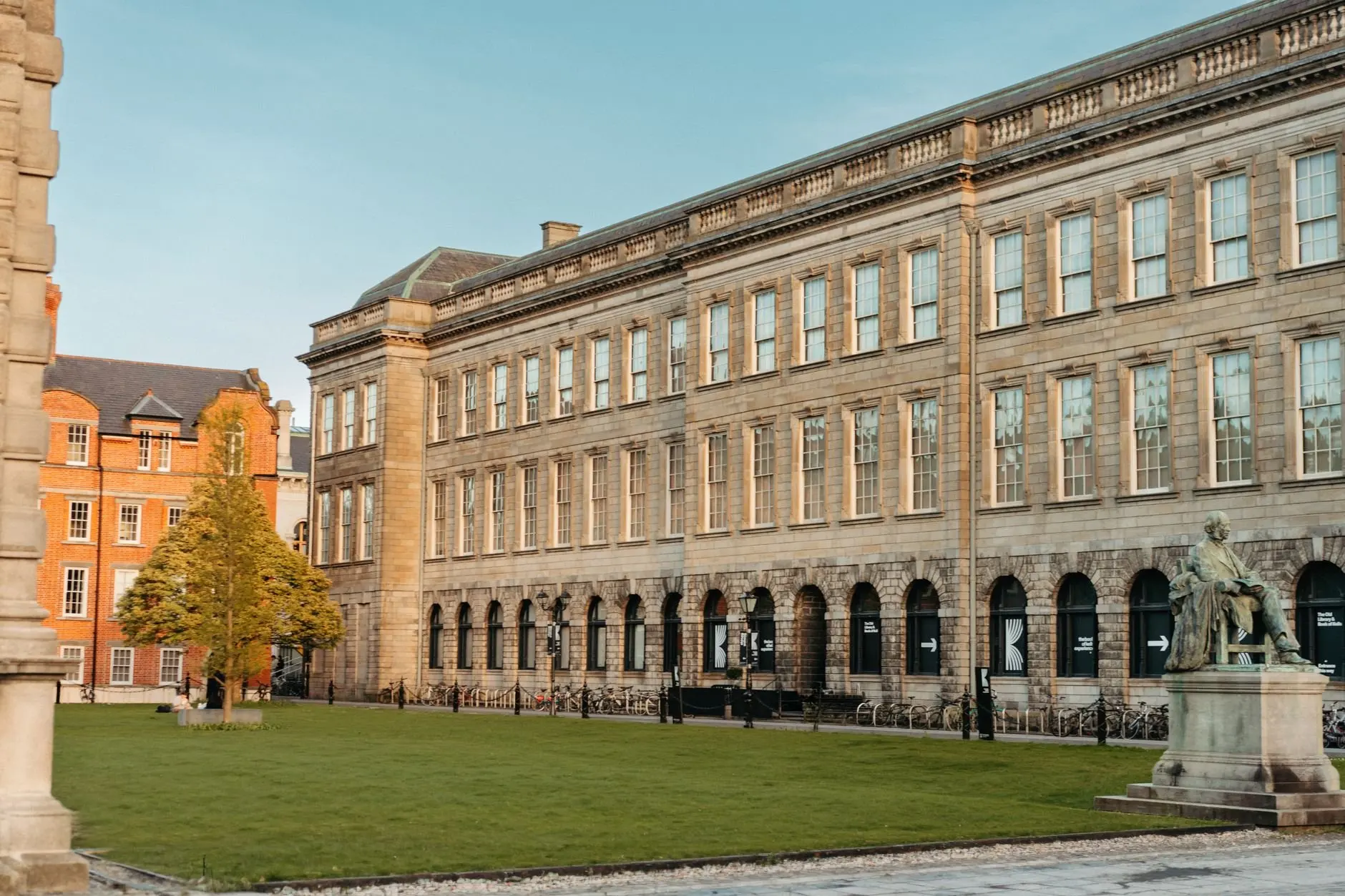
William Fergusson first Black student University of Edinburgh: the label is not confirmed by the record cited here. That record shows a William Fergusson of Auchinsoul as a patient of Dr William Cullen on 14 March 1782, not as a student.
The sections below set out what the document says, what it leaves open, and how a claim of this kind is tested. For wider context, see the colonial era university history hub.
What the surviving record shows
The clearest document that names a William Fergusson in Edinburgh is a consultation letter in The Consultation Letters of Dr William Cullen (1710-1790), held at the Royal College of Physicians of Edinburgh. It is a primary source, and it describes a patient. It does not describe a matriculated student.

| Detail | What the record states | Bearing on the claim |
|---|---|---|
| Subject | Mr William Fergusson (Ferguson; of Auchinsoul), listed as a patient | Establishes a name and an estate designation, not a course of study |
| Date | Letter dated 14 March 1782 | Places the named man in a medical consultation on that date |
| Place of writing | Cullen’s House, Mint Close, Edinburgh | Ties the consultation to Edinburgh, not to the university’s registers |
| Local attendant | Mr James Bon, recorded as physician, surgeon or apothecary | Names the practitioner who treated the patient locally |
| Case file | Case ID 1466, eight documents, titled “Case of William Ferguson who has fits” | Shows the spelling varies within the archive’s own description |
| Catalogue number | RCPE CUL/1/1/14/179 | Gives researchers a fixed reference to check |
| Advice given | Entirely lay aside snuff or tobacco; cold bathing brought on with the same caution as before | Describes clinical advice, not teaching or examination |
The details above come from the Cullen Project’s record of the letter, catalogued by the Royal College of Physicians of Edinburgh.

The practical reading is simple. A patient file proves that a man of this name sought advice from Cullen. It cannot prove that he enrolled at the university, and it says nothing in the entries above about his ancestry. Anyone repeating the “first known Black student” label should treat this letter as a lead to be matched against other documents, not as proof.
Who William Fergusson was and where he was from
The only designation the record gives is “of Auchinsoul”, a form used for a landed family or estate holder. That is the sole origin the letter supplies. Cullen wrote from his house in Mint Close, Edinburgh, and the patient’s regular care came from James Bon, so the consultation was one stage in a continuing course of treatment rather than a single visit.
A Jamaican origin, or a later career as a surgeon in Jamaica, is a separate claim. It would need its own documents, such as a baptism, a plantation or parish record, a surgeon’s licence or a printed obituary. The Cullen letter supports none of these. Treating the patient of 1782 and the man in the popular “first Black student” story as one person is an inference that has to be earned from further evidence.
How a “first Black student” claim is tested
A claim of this kind is tested in stages, and each stage needs a different kind of record. The stages below separate what a name match gives from what only direct evidence can give.
- Match the name across spellings. The Cullen record itself gives Fergusson and Ferguson, and the case file uses Ferguson. A search limited to one spelling can miss entries or wrongly merge different people.
- Establish identity. Two documents with the same name describe the same person only when something else links them, such as a shared home, a named relative or a matching age or occupation.
- Find enrolment evidence. A student claim needs a document created by the university or a teacher, such as a matriculation entry, a class list or a graduation record. A medical consultation does not stand in for one.
- Find evidence of ancestry or racial description. Statements about a person being Black need a contemporary description or a reliable family or colonial record. A name on its own never supplies this.
- Test “first” last. A claim to be earliest holds only until an earlier case is found, so “first known” is a statement about what has been located so far.
Reading archives against the grain of their original purpose is a discipline in its own right, and the guide to decolonial archival research methods covers how researchers approach records that were never written to describe the people in them.
Gaps and uncertainties in the evidence
The Cullen record carries its own warnings. The catalogue notes that an enclosure mentioned in the letter is missing, so part of what Cullen was responding to is lost. The case file runs to eight documents, and the letter is only one of them. Any reading of the man’s circumstances based on this single letter is therefore partial.
The spelling problem is a real obstacle. The patient appears as Fergusson, Ferguson and, in the case title, William Ferguson who has fits. Scottish records of this period commonly vary such names, and the variation means that a name alone cannot identify one individual across archives. It also means a different William Ferguson could be mistaken for the patient.
Three limits follow from this, and they hold whatever else is later found:
- Role. The record shows a patient. It does not show a student, a surgeon or a visitor to the university.
- Identity. The record does not prove that this William Fergusson is the figure described as the first Black student.
- Completeness. A missing enclosure and a partial case file mean that further documents may exist or may have been lost.
Medical education and the Cullen connection
Dr William Cullen (1710-1790) is described by the archive as an Edinburgh professor, and his consultation letters show him advising patients by correspondence and in person. The Fergusson letter reflects that clinical side of Edinburgh medicine. It records advice to give up snuff and tobacco and to use cold bathing with caution, alongside a strict regimen, as part of a treatment overseen locally by James Bon.
That distinction matters for the student question. Edinburgh’s medical reputation drew both patients and pupils, but the two left different paper trails. Patients appear in consultation files like this one. Pupils appear in class and matriculation records. A researcher looking for early Black medical students needs the second kind, and the Cullen files help only if they can be linked to those lists.

A student whose medical studies at Edinburgh are documented in detail makes a useful comparison. The account of james africanus beale horton edinburgh medical student shows what that second kind of evidence looks like when it survives.
What would settle the question
The question would move from open to answered if a researcher found a university or class record bearing the name William Fergusson together with a document linking that man to Jamaica or to a Black or mixed-race family. Until then, the careful wording is that the name is attached to a story, and the one verified document in this account concerns a patient. Writers and teachers should avoid presenting “first Black student” as established fact, and should say that the label rests on records that have not been shown to connect.
Frequently asked questions
Was William Fergusson the first Black student at the University of Edinburgh?
That is not established by the record cited here. The document shows a William Fergusson of Auchinsoul as a patient in 1782 and says nothing about enrolment or ancestry.
Who was William Fergusson and where was he from?
The Cullen letter describes him as Mr William Fergusson (Ferguson; of Auchinsoul), a patient of Dr William Cullen. A Jamaican origin would need separate evidence.
Which record names William Fergusson?
A consultation letter dated 14 March 1782, written from Cullen’s House in Mint Close, Edinburgh. It carries the catalogue number CUL/1/1/14/179 at the Royal College of Physicians of Edinburgh.
Why is the spelling of the name a problem?
The archive uses both Fergusson and Ferguson, and the case title reads William Ferguson who has fits. Varying spellings make it hard to be sure that separate documents describe the same man.