| Record or detail | Date or value | Planning use |
|---|---|---|
| Independence Youth Rally, Queen’s Park Oval, Trinidad | 30 August 1962 | Anchors the start of the decolonisation decade in a dated, primary record, so earlier colonial-era study can be compared with what followed. |
| UK offer of financial assistance to independent Trinidad and Tobago | 1962 | Shows aid being discussed with a sovereign government. Use it as a clue to how funding was framed, not as a measure of Edinburgh scholarships. |
| Address to the graduating class, University of the West Indies, Jamaica | 16 February 1963 | Shows a regional university producing its own graduates, which changes what study abroad meant for a student choosing between home and Scotland. |
| Foreword to the Draft Second Five-Year Plan (plan period 1964-1968) | 15 July 1963 | Shows national development planning under way, the setting in which training and study overseas were discussed. |
| Conference of Heads of Governments of Commonwealth Caribbean Countries | 22-25 July 1963 | Marks regional and Commonwealth coordination, a likely route for funding and exchange questions. |
| University of the West Indies site at Mona | Built on the former Mona, Papine and Hope sugar plantations | Gives the symbolic backdrop to a home university in a former plantation landscape. |
These dates come from the University of the West Indies archive listing, and the plantation detail from the Glasgow West Indies blog.
This account belongs to the wider colonial era university history of the university, and it reads best as a comparison between the colonial years and the decolonisation decade.
What independence changed for Caribbean students
Independence moved the conversation about Caribbean students from imperial administration to relations between governments. The clearest primary evidence is the archive entry for a United Kingdom offer of financial assistance to independent Trinidad and Tobago, listed in the University of the West Indies archive. The wording matters: the offer is made to an independent state, not to a colony.
For a student, the plausible consequence is that questions of money, selection and return increasingly ran through home governments and Commonwealth channels. That is a reading of the record, not a proven mechanism for any individual Edinburgh scholarship. Anyone tracing a particular student should treat government-level aid as context and look for the student’s own paperwork.
Choosing what to look for
- Tracing funding: start with government and Commonwealth records from 1962 onward, because the aid offer shows funding discussed at state level. Do not assume a national aid package paid for study in Scotland.
- National figures for the Caribbean alone cannot show how many students came to Edinburgh.
- Tracing student life: turn to society records and student newspapers, which record what students did once in the city rather than who paid for them.
The earlier model of overseas students organising themselves in the city is covered in the edinburgh indian association 1883 history, which is a useful point of comparison for any West Indian society.
Home institutions and national planning
The University of the West Indies at Mona was built on the site of three former sugar plantations, Mona, Papine and Hope, according to the Glasgow West Indies blog. A university on that ground was a visible change in what higher education meant locally.
The archive lists an address to the graduating class at the University of the West Indies, Jamaica, dated 16 February 1963. The same archive listing includes a foreword to the Draft Second Five-Year Plan 1964-1968, dated 15 July 1963, in the Eric Williams collection. Together they show graduates being produced at home and the state planning ahead for what it needed them to do.
This changes the decision a prospective student faced. Edinburgh was no longer the default route to a degree for a West Indian family, so those who came were more likely to be choosing it for a subject, a professional qualification or a scholarship. That reading fits the records, but it needs Edinburgh admissions evidence to confirm. The professional side of that choice is followed in the edinburgh trained doctors caribbean history.
Commonwealth ties and the regional picture
The Commonwealth gave independence a continuing framework. The archive lists the opening speech to the Conference of Heads of Governments of Commonwealth Caribbean Countries, held 22-25 July 1963. A conference of that kind put the territories of the West Indies in a shared forum, and it is the kind of setting in which education and exchange could be raised alongside trade and defence.
A student from Trinidad, Jamaica or another territory arrived in Edinburgh from a place whose government was newly sovereign, whose region was coordinating through Commonwealth meetings, and whose own university was producing graduates.
What this means for comparing eras
Comparing colonial years with the decolonisation decade works best when the same kinds of record are set side by side. Aid and planning documents explain the context. Only university and student records can show how many students arrived, what they studied and how they organised themselves.
Journeys to Edinburgh and life in the city
Arrival in Scotland was a change of climate, society and institution. The supplied records do not describe individual journeys, so travel details are best taken from personal papers, oral histories and student newspapers rather than assumed. Those sources can also show where students lived and how they met.
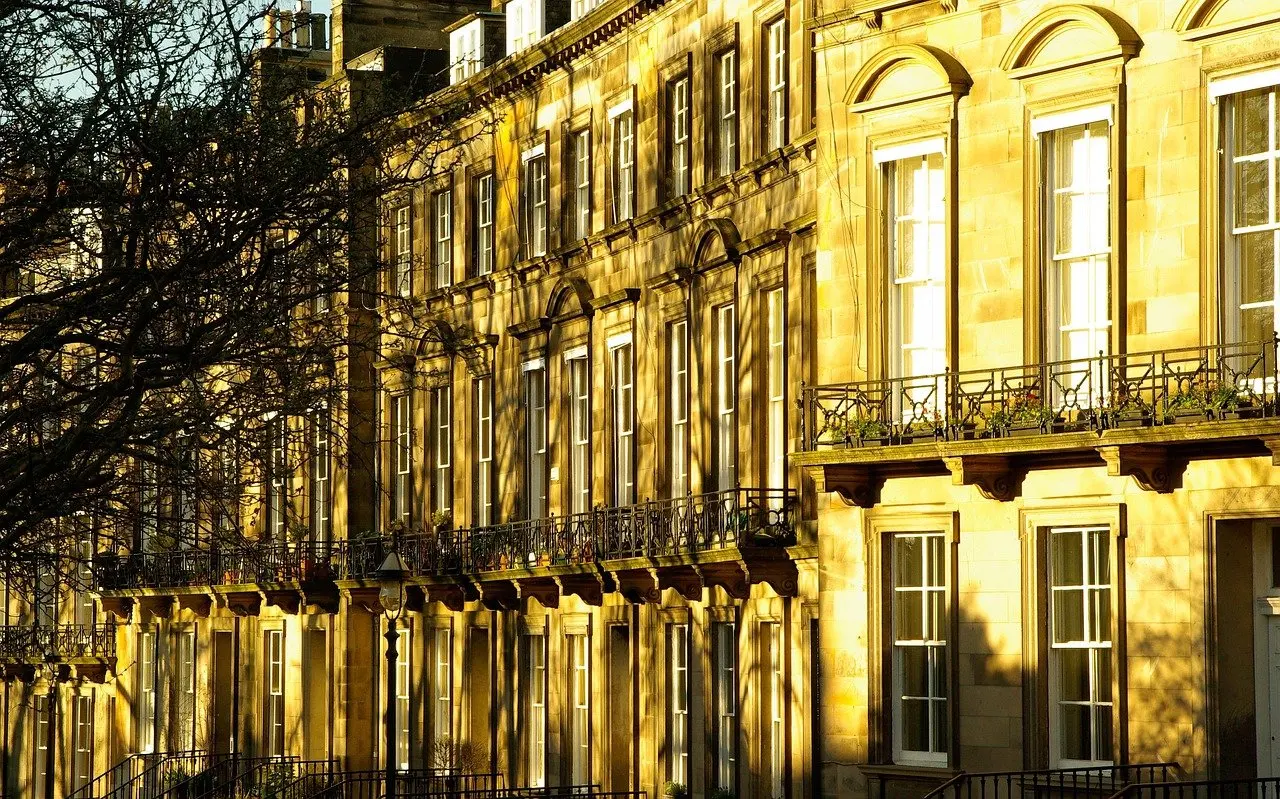
Edinburgh itself, with its stone terraces and tenement streets, shaped the daily routine of students who found rooms near the university. A reader building a profile of a particular group should confirm addresses and housing patterns from the students’ own records, not from the general look of the city.
Where the Edinburgh evidence is held
Evidence of a West Indian students’ society in Edinburgh would sit in the university archives and in student newspaper runs. Those collections can hold membership lists, minutes, event notices and letters, which are the records that can answer the question of numbers and activity. The Caribbean-side records above supply the political and funding context but not the Edinburgh headcount.

A sound research order is to date the student’s home-territory context from government records, then find the individual in university records, then look for social life in the student press. That order keeps funding claims, enrolment claims and social claims from being mixed up.
Frequently asked questions
Where would records of a West Indian students’ society in Edinburgh be held?
The most likely places are the university archives and student newspaper archives, which keep society minutes, notices and membership material. Caribbean government and Commonwealth records supply context rather than society detail.
What was the 1963 Commonwealth Caribbean conference?
It was the Conference of Heads of Governments of Commonwealth Caribbean Countries, held 22-25 July 1963 and listed with an opening speech in the University of the West Indies archive. It shows regional leaders meeting in a Commonwealth framework during the independence years.