| Starting point | What is documented | Planning use |
|---|---|---|
| Horton’s route to a degree | Born in British colonial Sierra Leone outside Freetown. Selected by the Church Missionary Society to study medicine. Took a fourth year at Edinburgh University to earn an MD. | Use as the anchor case for how a sponsor, a medical degree and an imperial career fitted together. |
| Horton’s imperial career and writing | Commissioned as a staff-assistant surgeon in the British army in 1859. Published West African Countries and Peoples in 1868, which challenged claims of African racial inferiority. | Use to connect a student’s degree with what empire later asked of him, and with the ideas he answered in print. |
| University archive work | Students at the Centre for Research Collections captured archival evidence of Edinburgh’s colonial history, later used in the Edinburgh Slavery and Colonialism Review. | Use to find where the university’s own collections hold material before searching elsewhere. |
Route details come from BlackPast’s entry on Horton and the University of Edinburgh’s note on student archival work on the city’s colonial history.
Colonial era university history at Edinburgh is best approached through named students such as James Africanus Beale Horton, then widened to archives and imperial context. Begin with one documented person, not a general timeline.
That choice matters because empire shaped Edinburgh’s student body through particular sponsors, employers and degrees. The page on why did colonial students study at edinburgh university develops the reasons in more depth. This guide sorts the main threads, shows which kinds of evidence carry each one and says where a reader should go first.
Where to start: four ways into the subject
The subject can be entered through a person, an archive, an imperial institution or a student community. Each entry point answers a different question, and picking the wrong one is the commonest reason a reader ends up with a vague overview instead of a usable account.
- Start with a person if the aim is to understand how an individual reached Edinburgh and what followed. A single career shows the chain of sponsorship, study and employment that a general survey flattens. Horton is the strongest starting case here because his route is set out step by step.
- Start with the archive if the aim is to verify names, dates and enrolments. Archival work tells a reader what the university itself recorded, which is a different thing from what a biography later claimed.
- Start with empire if the aim is to explain why students from Sierra Leone or the West Indies appear in an Edinburgh story at all. Imperial institutions such as missionary societies and the army sit behind many individual routes.
- Start with a community if the aim is to understand what student life was like once people had arrived, including societies, housing and the social climate around them.
Readers new to the topic should begin with a person and then move outward. A named student gives every later general statement something to be tested against. Readers who already know the names can go straight to the records section and decide which collection to consult first.
Named students as evidence
Following named individuals makes the mechanism of empire visible. A statement that colonial students came to Edinburgh is a pattern. A record that a particular man was selected by a missionary society, finished a degree and was then commissioned by the army is a chain that can be checked link by link. The profiles below are ordered by how much supporting detail is available, not by date.
James Africanus Beale Horton
According to BlackPast, Horton was born in British colonial Sierra Leone outside Freetown. His seminary studies were cut short when the Church Missionary Society selected him to study medicine. That detail is the most important one for the wider story, because it shows a route into medicine arranged by a sponsoring body rather than opened by individual choice alone.
The same entry records that he went to Edinburgh University for a fourth year to earn an MD. The wording implies earlier study elsewhere, and a careful reader should treat the Edinburgh year as the point at which the degree was completed, not as the whole of his training. The full profile at james africanus beale horton edinburgh medical student places that year in context.
In 1859 Horton was commissioned back to West Africa as a staff-assistant surgeon in the British army. His degree therefore led directly into imperial service. In 1868 he published West African Countries and Peoples, in which, as BlackPast puts it, he challenged the prevalent notions of African racial inferiority. He died in Freetown, Sierra Leone, in 1883. Taken together, these facts frame a life that began in a colony, passed through an Edinburgh degree, served the imperial state and answered its racial assumptions in print.
One caution applies. A reference entry such as this summarises a life, and it does not substitute for the university’s own enrolment and graduation records. Use it to organise questions, then test its claims against primary material.
William Fergusson and the question of firsts
Anyone asking who the first Black students at the University of Edinburgh were will meet the name William Fergusson. The site’s profile, william fergusson first black student university of edinburgh, presents him as the first known Black student at Edinburgh.
The qualifier “known” does real work. A claim of a first can only be as strong as the surviving records, and a register that does not state a student’s background cannot rule out an earlier arrival. The sound reading is that Fergusson is the earliest person identified so far, while Horton is the better-documented example of a Black student from Sierra Leone completing a medical degree. Treat the two as complementary, and do not treat the title “first” as a closed question.
Wong Fun, Jesse Ewing Glasgow Jr and Agnes Yewande Savage
The imperial story at Edinburgh was not limited to Africa and the Caribbean. The profile of wong fun edinburgh university 1855 follows a Chinese student, which is a useful corrective for readers who assume a single migration pattern. Reading him beside Horton shows that different sponsors, destinations and expectations lay behind students who appear in the same university’s records.
Two further profiles give additional individual cases for comparison. The profile of jesse ewing glasgow jr edinburgh and the entry on agnes yewande savage reward the same method: establish who the person was, how enrolment is documented and what is known of the aftermath. A reader short of time should read Horton first, then choose whichever of these three is closest to their own interest.
Medical education and the route to Edinburgh
In Horton’s documented case, medical training reached Edinburgh through a sponsor and ended in an imperial post. The Church Missionary Society chose him to study medicine, Edinburgh University supplied the year that led to his MD, and the British army commissioned him in 1859, as BlackPast reports. The evidence supports that sequence for him. It does not, by itself, establish that every student from Africa or the Caribbean travelled the same way.
That distinction guides how to read the wider question. Medical education mattered because a degree was a portable qualification that employers, including the army, could recognise. Reasons beyond Horton’s own case belong in the dedicated discussion of why colonial students chose Edinburgh, and readers should expect them to vary with a student’s home colony, sponsor and means.
Sierra Leone and the people it sent
Sierra Leone is the best-evidenced colonial setting in this hub because Horton was born there and died in Freetown. His life links the colony to Edinburgh at both ends: he left it to study and returned to it as an army surgeon. A reader interested in what Edinburgh-trained men later did in the colony can continue with sierra leone governors edinburgh educated, which follows the thread into public office.
The West Indies and Caribbean doctors
The West Indies enter the record from two directions. Administrative papers on the region survive in government series, discussed in the records section below. The human story, by contrast, runs through the doctors who trained in Edinburgh and went home. The page on edinburgh trained doctors caribbean history picks up that thread, and a later chapter on caribbean students university of edinburgh 1960s shows the connection continuing long after the colonial administrative papers were compiled.
Choose the Sierra Leone thread when the question is about an individual career and public office. Choose the Caribbean thread when the question is about how a medical profession in a region was staffed and sustained.
How the British Empire shaped who could attend
The British Empire shaped access through the institutions that sponsored, employed and described students. Horton’s case shows two of them directly: a missionary society that selected him for medicine and a military service that commissioned him on qualification. A third force is visible in his own writing.
The careful way to put this is that sponsorship and employment opened specific doors for specific people. Whether a person without a sponsor, with a different background or a different race could do the same is a separate question that individual cases cannot settle. The institutional story of the university and the empire, set out in university of edinburgh and the british empire, is the right next step for that wider argument.
Colonial administrative papers
Government records show the apparatus within which students moved, and they should not be mistaken for student lists. The Calendar of State Papers, Colonial series, a summary of official correspondence published from 1860, includes a volume on America and the West Indies covering 27 Oct 1697 to 31 Dec 1698, available through the Internet Archive’s copy of volume 16. It dates from well before Horton’s training and concerns administration, not education.
Its value for this topic is contextual. It shows how thoroughly the West Indies were documented as a colonial responsibility, and it reminds a researcher that the language of empire, with its categories of territory, trade and governance, is the language in which many later students’ lives were also described. Use such calendars to understand the setting, then look elsewhere for enrolments.
Student communities and the Edinburgh setting
Once students arrived, community and conditions shaped the experience as much as formal admission. The page on edinburgh indian association 1883 history covers a society that gave students from India an organised presence in the city. It is the right place to start for anyone who wants to understand how students formed their own institutions inside a university they did not control.
Political and intellectual networks formed alongside these societies. The discussion of 1900 pan african conference students edinburgh follows how Edinburgh students connected with wider movements of the period. The darker side of the same story is the daily difficulty of finding a place to live, covered in racism accommodation students edinburgh history.
- For organisation and identity, begin with the Indian Association, because a society leaves minutes, membership and public activity that can be traced.
- For politics and ideas, choose the Pan-African thread, which links individual students to events beyond the city.
- For lived conditions, read the accommodation history before drawing conclusions about how welcome students were, because enrolment alone says nothing about housing or treatment.
These threads are best read after at least one individual profile. Without a person to anchor them, accounts of societies and housing tend to blur into general statements about a student body that was never uniform.

Records that show colonial-era students
Several kinds of evidence record colonial-era students at Scottish universities, and each answers a different question. The most reliable approach is to combine an institutional record of enrolment with a biographical account and a contemporary source such as a newspaper or student magazine. No single type is enough.
University archives and the Centre for Research Collections
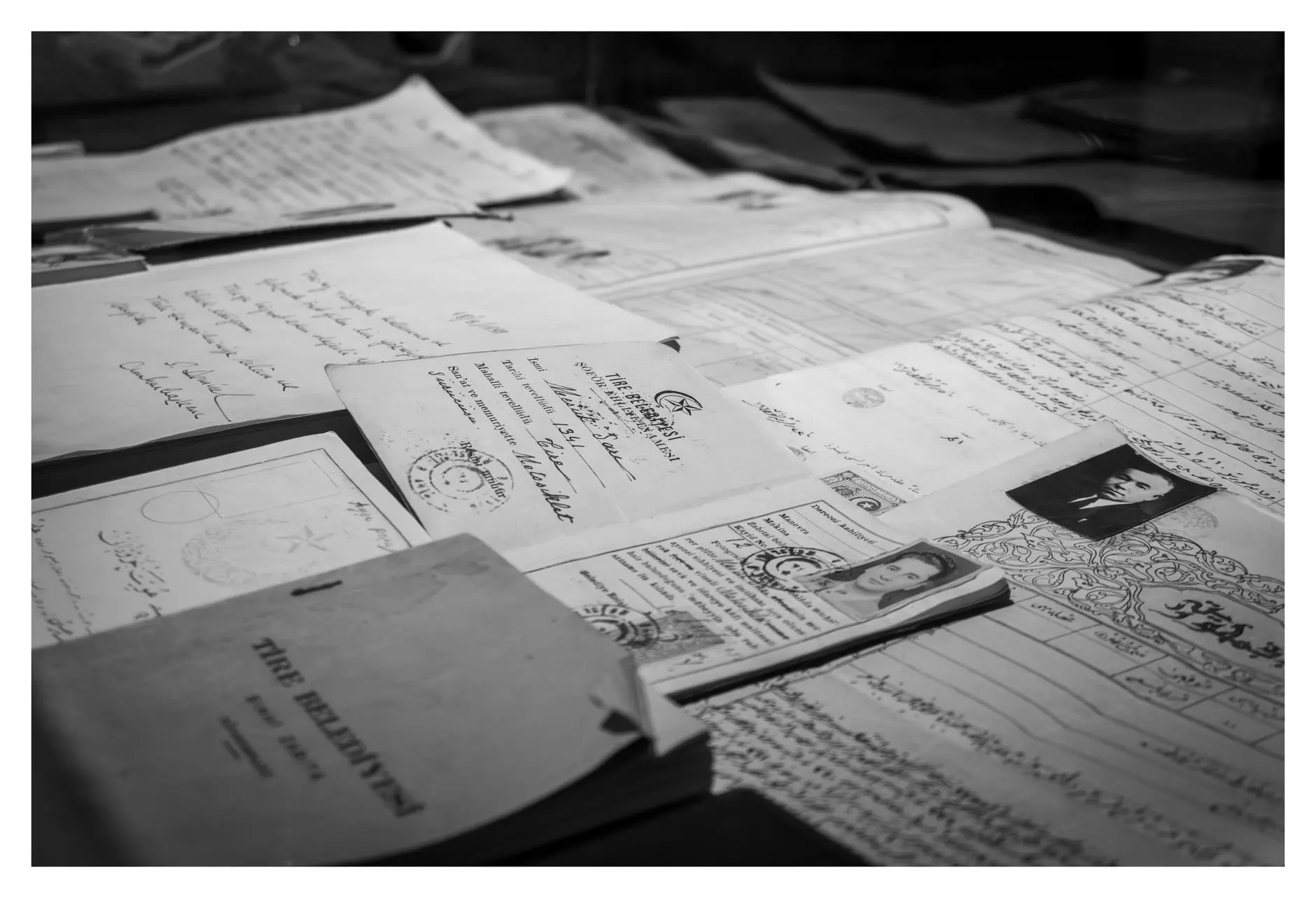
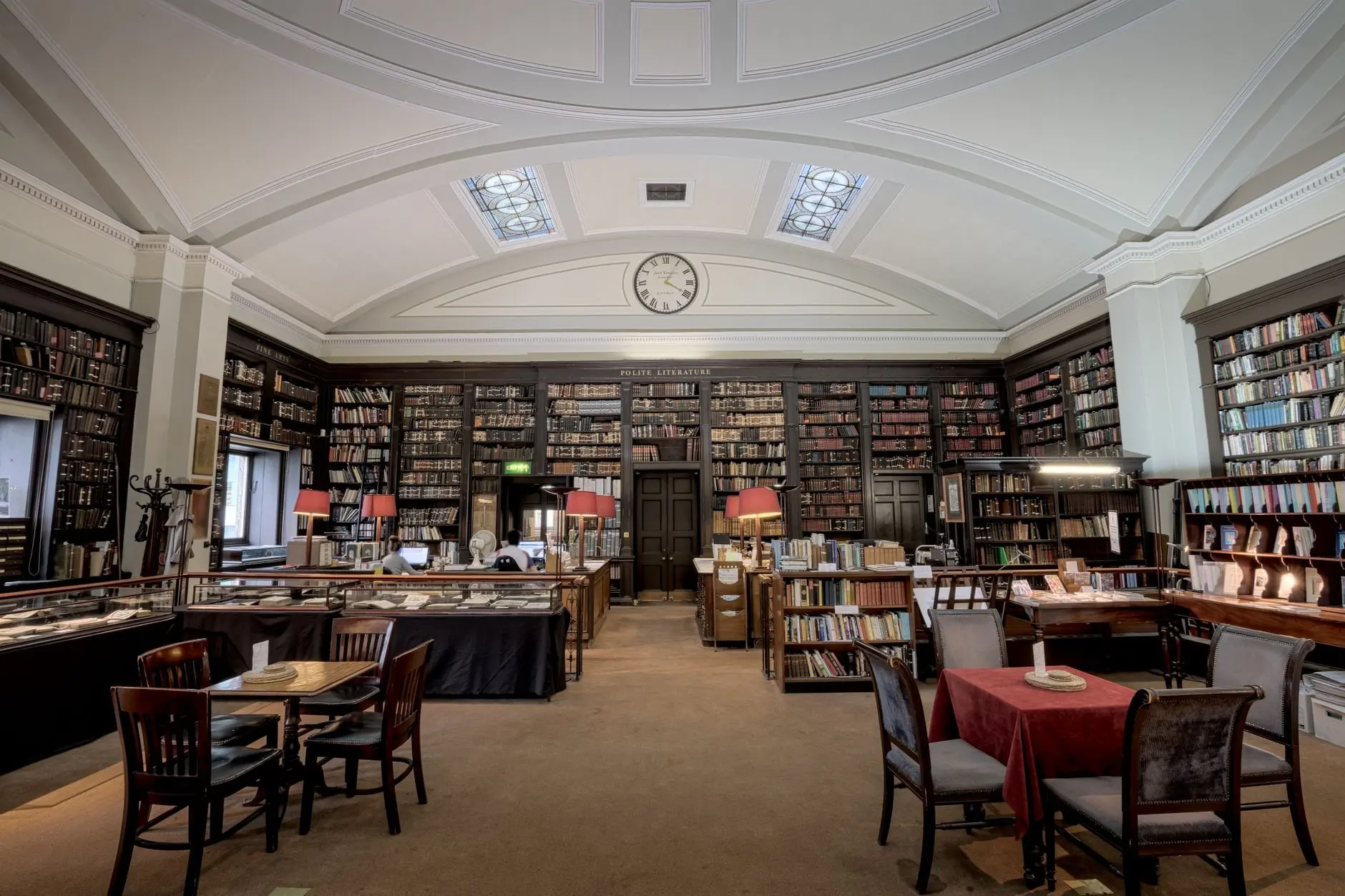
The University of Edinburgh’s own collections are the primary starting point. As the university has noted, students working at the Centre for Research Collections captured archival evidence of Edinburgh’s colonial history, and that work was used in the Edinburgh Slavery and Colonialism Review. This shows two things: the collections contain material that bears on the colonial past, and that material has already been worked into published research that can guide further searching.
A sensible first step is to read what has been published from the collections before requesting items. Published review work tells a researcher which kinds of document have proved useful and which questions remain open, and it saves time in the reading room.
Matriculation registers
Enrolment registers are the backbone of any search for a named student. They fix who was at the university, and they are the proper check on a biography’s claim that someone studied there. The guide to university of edinburgh matriculation records history explains how to read them and what their entries do and do not reveal.
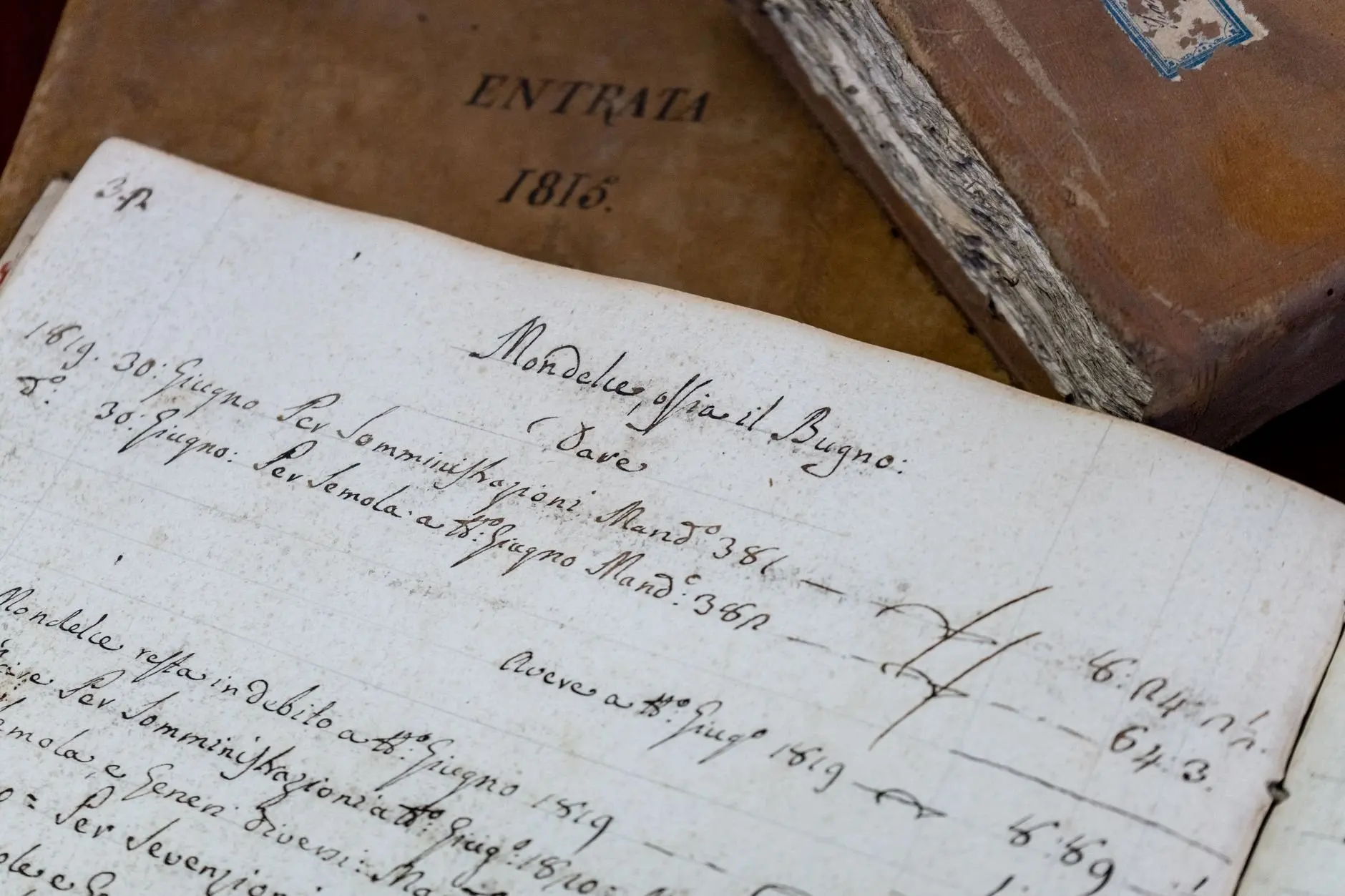
The limit is that a register records enrolment and rarely records background, motive or experience. It can confirm that a student attended while leaving the larger questions unanswered. Pair it with a profile such as Horton’s, where the biography supplies the sponsor and the career.
Contemporary newspapers and student magazines
Newspapers and student magazines supply what registers leave out: how people were described, what societies announced and how a graduation or a society meeting was reported. Their descriptions of students were often shaped by the prejudices of the time, so they work best as evidence of attitudes as well as of events. Read them for tone and detail, and rely on registers for the bare facts of enrolment.
Biographical dictionaries and peer-reviewed histories of Scottish universities and empire form the interpretive layer. They organise individual lives into patterns, which is useful, but their summaries should always be traced back to the underlying documents where possible.
Planning and ethics of the research
Researchers who want to do this work themselves have two practical guides. The overview of how to research university students from the past sets out a workable order of steps. The discussion of decolonial archival research methods addresses how to read colonial-era records critically, since the people who created them often described colonised students from a position of power.
That second point deserves emphasis. An archive preserves what an institution chose to write down, and the absences can be as telling as the entries. A student described only by a number or a place of origin was nevertheless a person with a life that the entry does not capture.
Choosing a reading order
A reader with an evening should read Horton’s profile and then the question of firsts, since together they show a documented route and the limits of a claim. A reader with a weekend can add the records guidance and test one name against a register. A reader preparing a research project should begin with the Centre for Research Collections material and the method guides before touching secondary accounts.
Whichever route is chosen, keep three habits. Separate what a source states from what a later writer infers. Treat “first known” as a statement about surviving evidence. Return to a named person whenever a general claim begins to feel too neat, because individual lives are where the pattern either holds or breaks.
Frequently asked questions
Who was the first known Black student at the University of Edinburgh?
The site’s profile identifies William Fergusson as the first known Black student at Edinburgh. The word “known” matters, because it describes the earliest person identified in surviving records and cannot rule out earlier, undocumented students.
Why did African and Caribbean students train in medicine at Edinburgh?
In Horton’s documented case, the Church Missionary Society selected him to study medicine, he completed a fourth year at Edinburgh to earn an MD, and the British army commissioned him in 1859. That shows sponsorship and imperial employment behind one route, while other students’ reasons varied with their own circumstances.
What records show colonial-era students at Scottish universities?
University archive collections such as those at the Centre for Research Collections hold evidence of Edinburgh’s colonial history, and matriculation registers confirm enrolment. Colonial state papers, newspapers and student magazines add administrative and social context but do not replace enrolment records.